






















Georgia Southern University
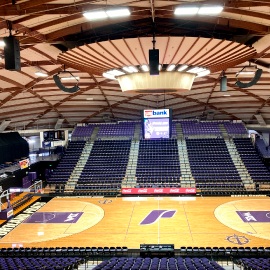
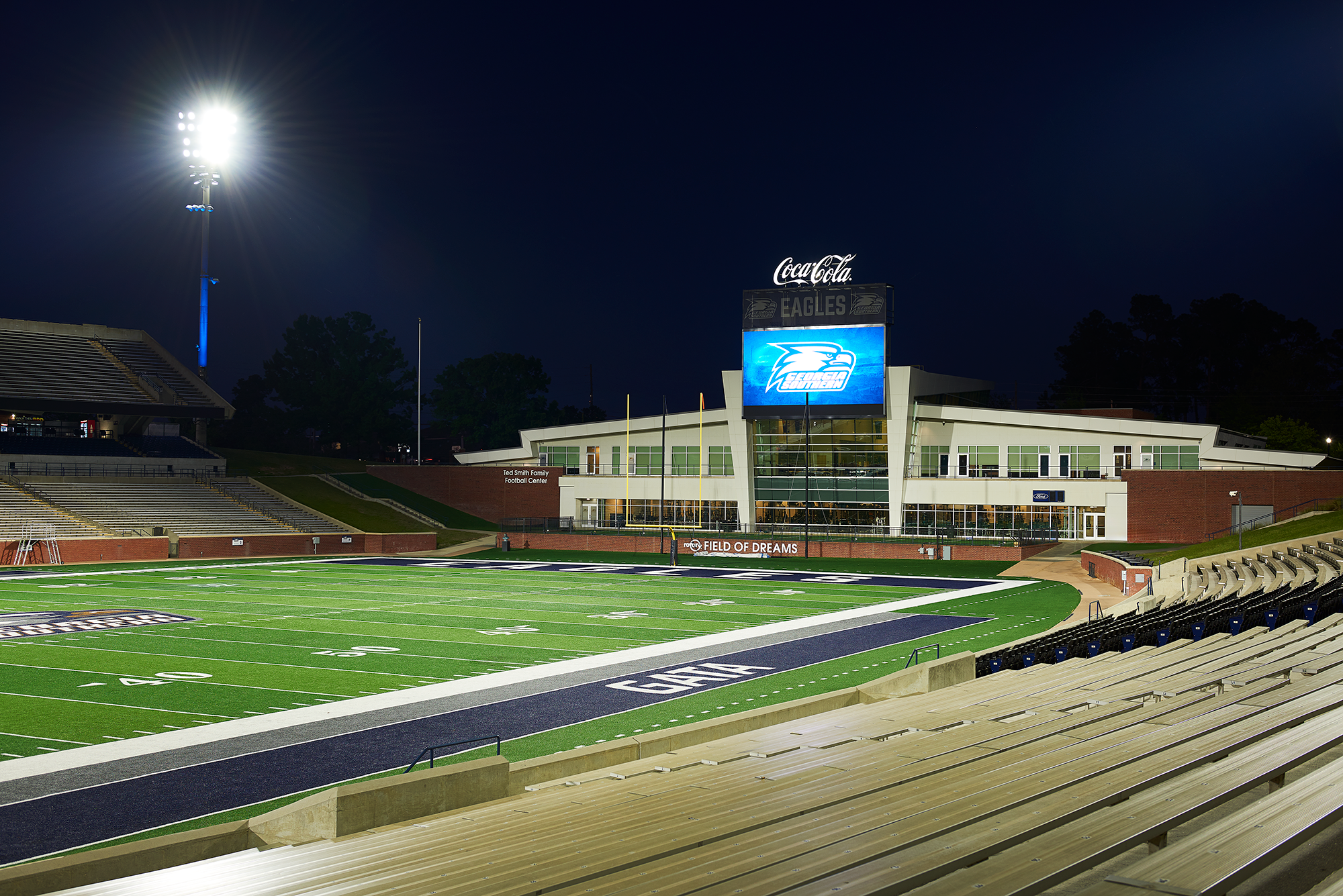
In preparation for a new football season, Georgia Southern University needed to solve a critical problem at their stadium: the existing sound system could not cut through the roar of the crowd. Announcements and play-by-play audio were often lost beneath the noise, and when the old system was pushed harder, it distorted heavily.
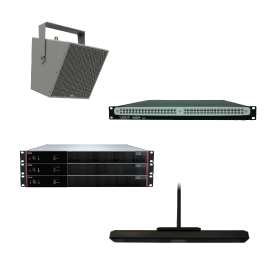
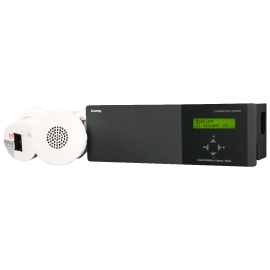
The Biamp team, led by Principal Engineer Charlie Hughes, stepped in with a smarter, more adaptive solution. Community LVH-900 beamforming loudspeakers were selected to replace the legacy setup, thanks to their ability to electronically steer sound and control coverage patterns without moving the physical array.
The ability to modify the vertical coverage pattern electronically to overcome unforeseen challenges saved us tens of thousands of dollars and weeks of time.
CHARLIE HUGHESPrincipal Engineer
Electroacoustics
Solution
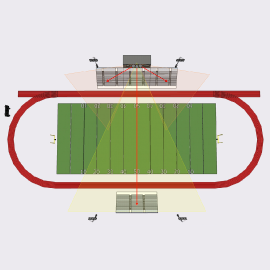
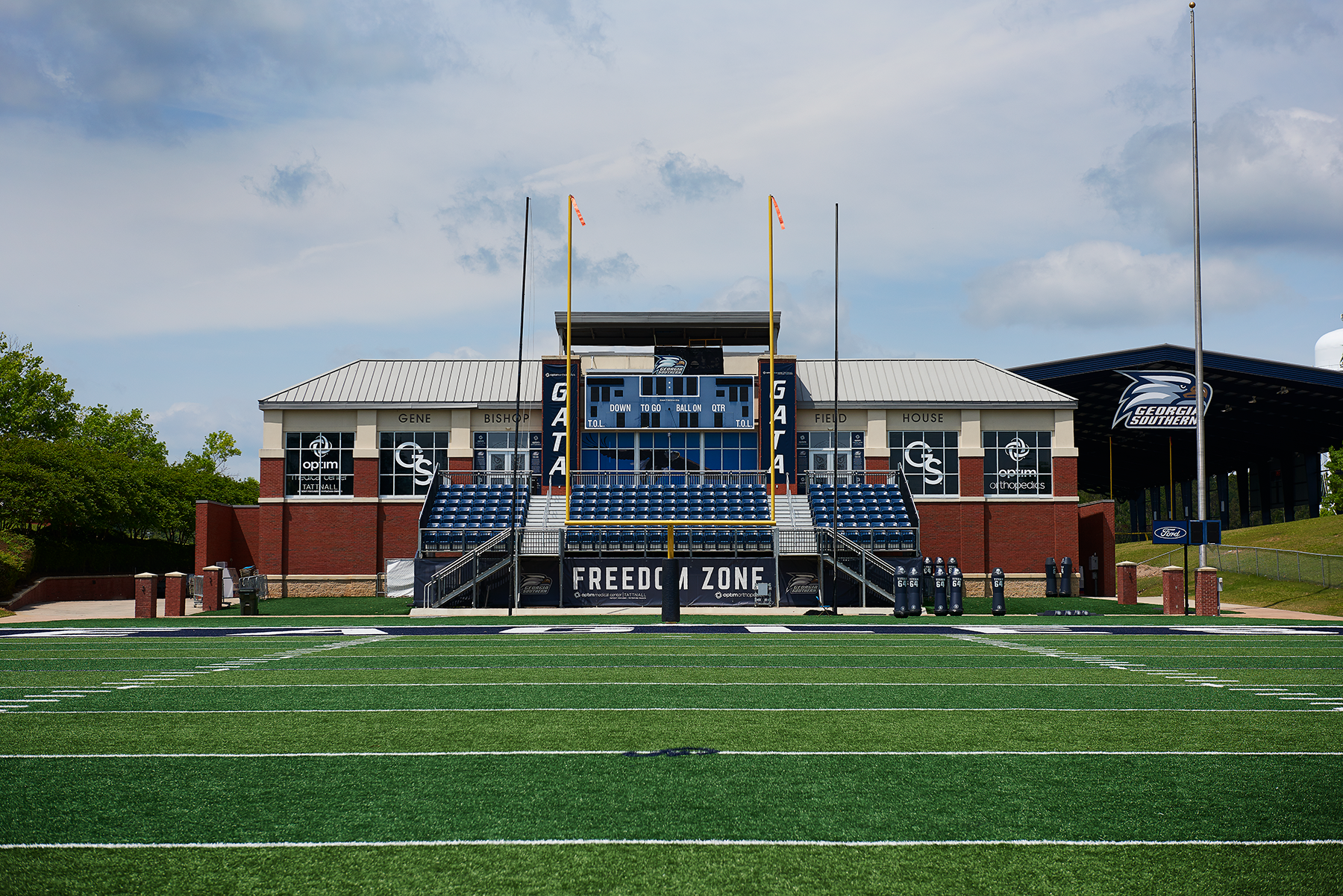
When Hughes and the Biamp team arrived on-site, the loudspeaker arrays had already been installed and wired—there was no option to physically re-aim them. Initial testing revealed uneven coverage and a major reflection issue from the press box and fieldhouse. With timing critical and hardware changes off the table, Hughes turned to software based optimization.
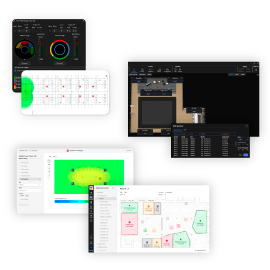
Using VenuePolar and FIRmaker within EASE Focus 3, the team fine tuned beamforming filters to redirect output away from reflective surfaces and redistribute sound pressure level (SPL) across the stadium. The reflection off the fieldhouse, initially causing major intelligibility issues, was reduced by up to 9 dB. When that adjustment adversely affected SPL in the far seating areas, the team revised the filters again—settling on a compromise that lowered reflection levels by 6 dB while maintaining strong coverage with just a 3–4 dB SPL loss in the far seats.
Final on-site EQ adjustments further tightened up the sound. Despite initial concerns about the low-mid balance, minor tweaks produced a rich, intelligible audio experience. No physical changes were required—even a later visit from Hurricane Helen could not shift the fixed arrays.
Conclusion
According to Charlie Hughes, the project showcased the power and flexibility of the LVH-900 series. “The ability to modify the vertical coverage pattern electronically to overcome unforeseen challenges saved us tens of thousands of dollars and weeks of time,” he said. “Everyone from the integrator to the university staff was thrilled with the result.”