























Williams College
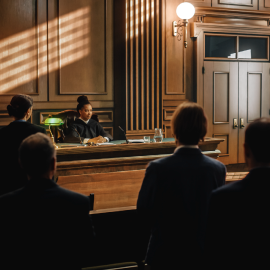
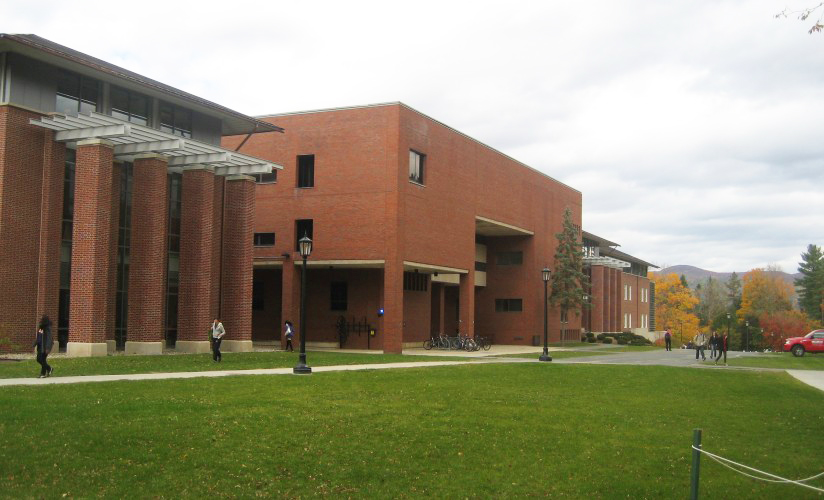
The Williams College Schow Science Library in Williamstown, MA is unlike any other library. Comprising two 6,000 square foot atria which feature 40-foot-high ceilings with skylights and walls made of sound reflective brick, glass, and plaster, the aesthetics make for a truly unique space; unfortunately, library patrons and staff noticed the environment wasn’t as acoustically comfortable as they’d like. Noise distractions permeated the space, particularly from human speech, making it difficult for students to concentrate and study.
The college sought the expertise of an acoustical consulting firm, which performed diagnostic tests that showed the spaces had both high reverberation times, similar to a concert hall or church, and very low background sound. The low background sound was determined to be the library’s primary reason for acoustical startle and noise distraction issues. Startle occurs when an unexpected sound suddenly permeates a space with low background noise.
Intermittent activity sounds such as whispers, pencils dropping, and computer keyboarding stood out dramatically against the low background sound; furthermore, distracting sounds carried throughout the atria because of the highly sound-reflecting finishes.

Solution
The consulting firm noted that heavily treating the walls with thick sound absorbing panels could provide some attenuation but would be very costly, in addition to altering the environment substantially. In addition, they would provide very little relief for patrons close to the talker.
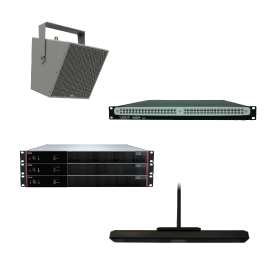
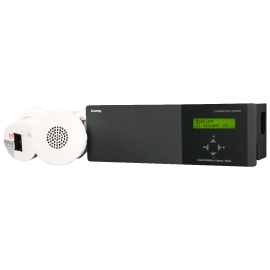
The firm instead recommended a Cambridge sound masking system from Biamp as a means to quell unintended noise distractions. Sound masking is the process of adding a low level, unobtrusive background sound and to an environment, specifically tuned to the frequency and amplitude of human speech, to bring the ambient noise level of the environment up and mask excess noises in the environment. The sound is typically added through Qt Emitters (loudspeakers) installed in the ceiling.
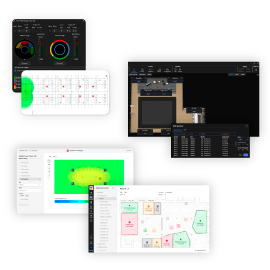
This unique space required a unique installation. Biamp proposed installing the emitters in special housings and painting them black to match existing perimeter lighting. The emitters would then be mounted to the lighting instrument bars already in place, high up on the atrium walls, making the system completely unnoticeable to the patrons and thus not impacting the space’s aesthetics. Most importantly, the QtPro system enabled the selection of the appropriate sound spectrum and volume level to achieve the ideal sound masking environment

Conclusion
The final results of this unique sound masking installation have more than accomplished the goals set out. The formerly routine complaints about the acoustics have ceased, affirming the positive role that sound masking, and QtPro, can play in enhancing the acoustics of library spaces and other quiet areas. “Libraries are supposed to be quiet, but with whispers heard 40 feet away – I knew we had a unique acoustics problem,” said Bob Jarvis, from Williams College Buildings and Grounds department. “With the help of an acoustical consultant and Cambridge Sound Management’s sound masking solution, we now have a library that seems quieter and is still beautiful. We are delighted.”