
















Hong Kong Convention and Exhibition Centre
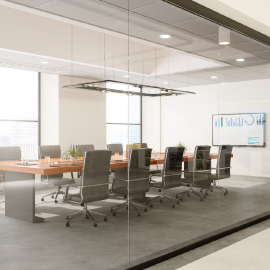
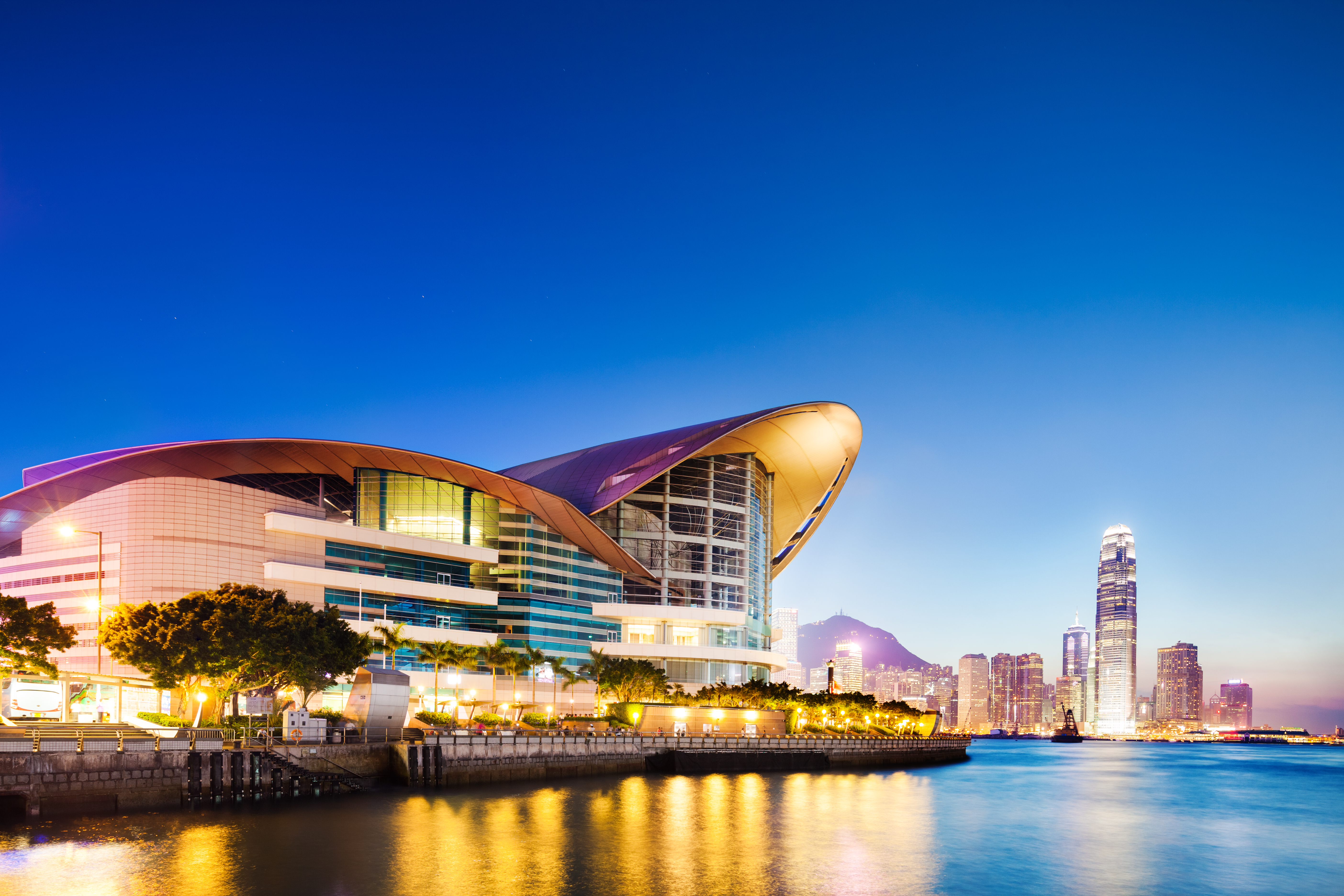
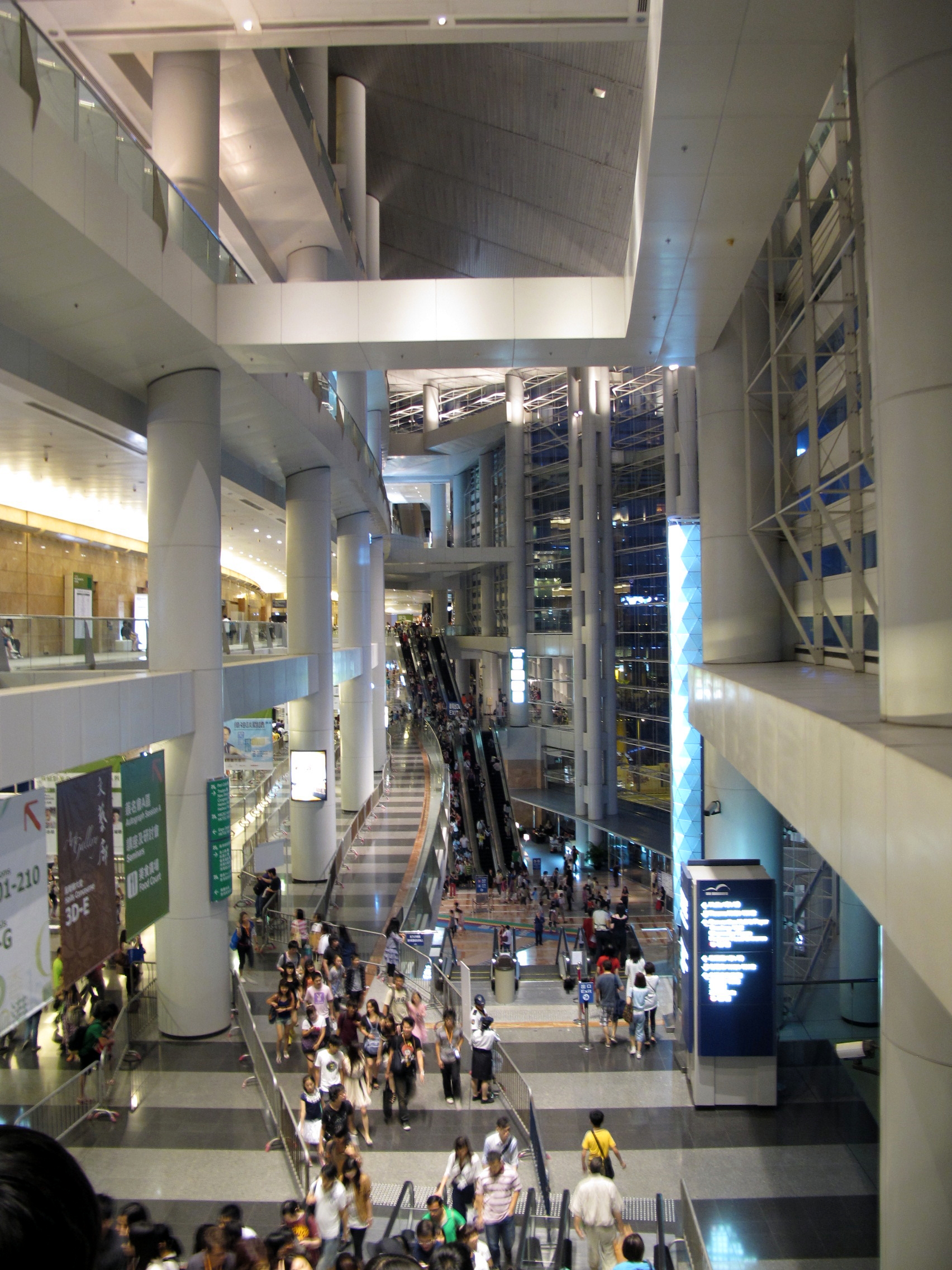
Since opening in 1988, the Hong Kong Convention and Exhibition Centre (HKCEC) has arguably become the most iconic building on the island. The HKCEC has significantly expanded in recent years, now offering an exhibition space of approximately 89,000 square feet (83,000 square meters), together with 99,000 square feet (92,000 square meters) of rentable, multi-use space, which is regularly booked with meetings, shows, banquets, and special events.
Despite the regular maintenance performed on the original analog AV equipment, a recent DSP infrastructure failure necessitated an urgent installation of a new DSP system. Most importantly, the integrator would have to work around the HKCEC’s busy schedule.
YH Shum, director of the chosen integrator, China-Tech Engineering Company, explains the situation further: “The HKCEC cannot simply cancel booked events or turn away business. While we could have closed the building and completed the installation relatively quickly, we chose to work around the HKCEC’s packed diary of events allowing them to honor their commitments to their customers. The installation was simplified by not having to run new cabling.”
Solution
With a system design that seamlessly incorporated modular scalable I/Os, DSPs, and networked endpoints into the existing analog AV system, the bid submitted by China-Tech Engineering Company was approved. However, the digital media backbone of the proposed system exceeded the HKCEC’s future-proofing requirements with a provision for up to 420 x 420 digital audio channels.
The solution China-Tech Engineering created used a primary digital media transport. This DSP-based networked media system uses Audio Video Bridging (AVB) to carry media streams over Ethernet networks using existing cabling infrastructure and previously installed analog systems, which significantly reduced the cost to the HKCEC, and the amount of work and time required of China-Tech Engineering.
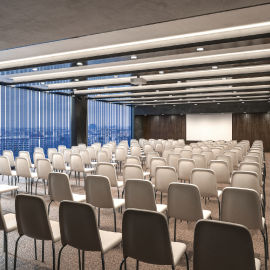
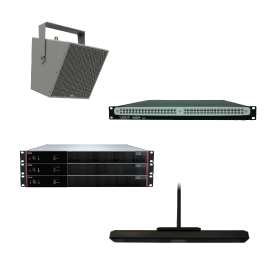
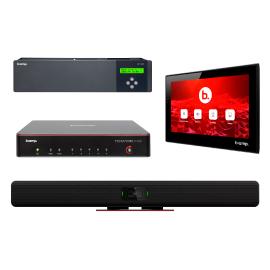
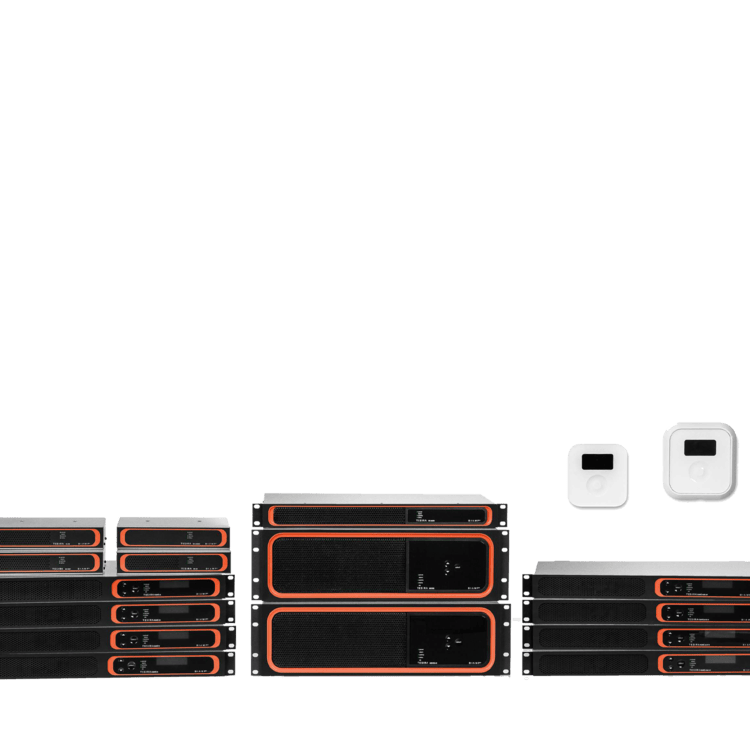
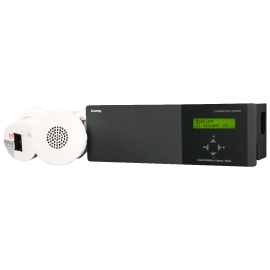
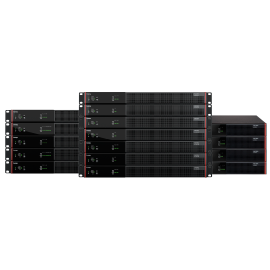
The HKCEC’s new DSP system, built around Tesira, is rack mounted in the main control room behind the convention hall. Thanks to the system configuration, a partitioned approach made it possible to design and divide portions of the system without affecting existing portions that were working well. For example, the convention hall can now be divided into three sections, with customized AV requirements within each.
[Tesira] will be more than enough for the needs of our client over the years to come.
ROY LO China-Tech Engineering Co
Conclusion
With Biamp Tesira as the primary digital media transport, this DSP-based networked media system solution has united past and present AV networks with full system redundancy, future proofed flexibility and scalability, and a system of support that is guaranteed.
As Roy Lo of China-Tech Engineering put it, “with 256 channels and the 420 X 420 channels that Tesira provides, it will be more than enough for the needs of our client over the years to come.”