

























Mercy Health
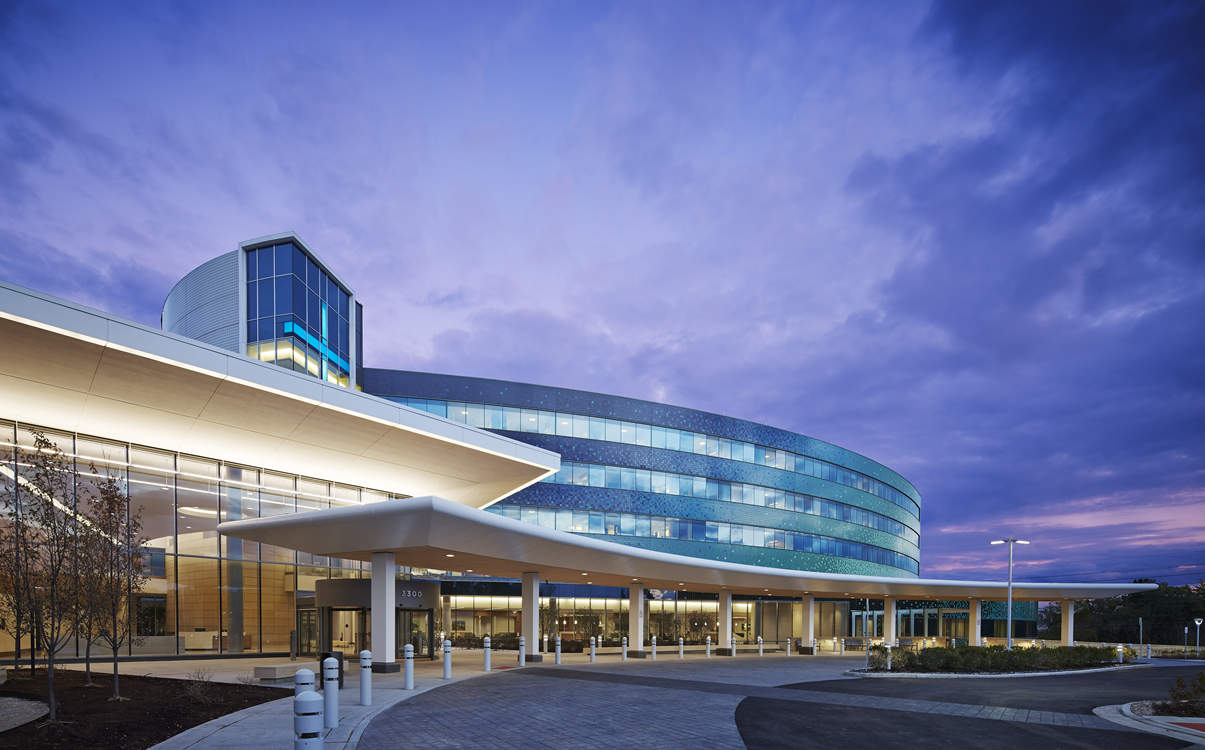
When Mercy Health, the largest health system in Ohio, decided to move its headquarters into a new space, the organization wanted to create a special place in which employees are excited to work each day.
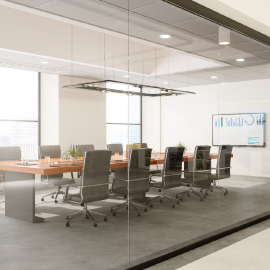
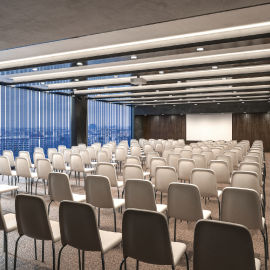
This 368,000 square foot office boasts more natural light, fewer walls and private offices, and shorter workspace partitions than the previous space. While these changes are meant to increase employee well-being, there were concerns that noise distractions from conversational speech might increase due to the reduction of private offices and traditional sound barriers such as walls and partitions.
Sound masking allowed us to be true to our architectural vision for our new office without sacrificing acoustical comfort or employee productivity. We love it!
NICOLE BELLMAN
Real Estate Director
Mercy Health
SOLUTION
To ensure a smooth transition, Nicole Bellman, Mercy Health’s real estate director, created a pilot space prior to the move consisting of an open work area, workstations, huddle rooms, and one private office. Employees were encouraged to utilize this space before moving to the new headquarters.
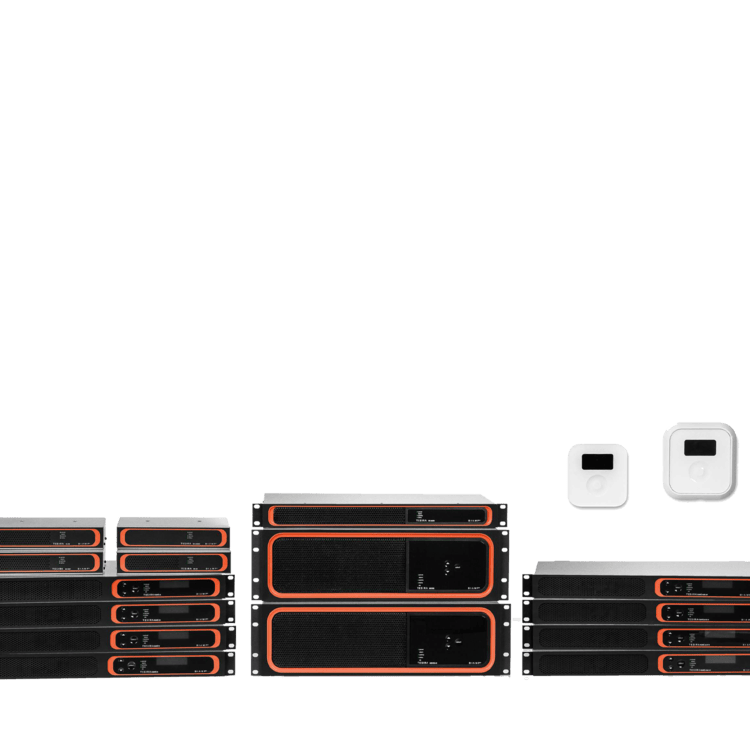
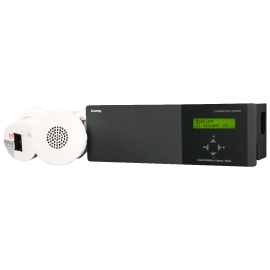
Bellman considered utilizing sound masking, the process of adding background noise to an environment that obscures sound distractions. Premier Network Solutions, Mercy Health’s technology integrator, recommended QtPro from Biamp, which they subsequently installed in the open area. Small, barely visible emitters (speakers) were placed throughout the space, connected by cables to an intuitive control module mounted in the equipment room.

Conclusion
The pilot project was an enormous success. Employees weren’t consciously aware of the sound masking noise but did notice they could work in the open area with minimal distractions. Due to the success of the pilot, sound masking was added throughout Mercy Health’s new headquarters. Implementing multiple volume zones allows the masking to be louder in the call center area, where conversations are more frequent. “Sound masking allowed us to be true to our architectural vision for our new office without sacrificing acoustical comfort or employee productivity,” says Bellman. “We love it!”