




























Calgary Light Rail Transit
With a booming oil industry and strong local economy, Calgary is the fastest-growing city in Canada. As the population expanded, city leaders began updating existing infrastructure to accommodate the steady influx of new residents.
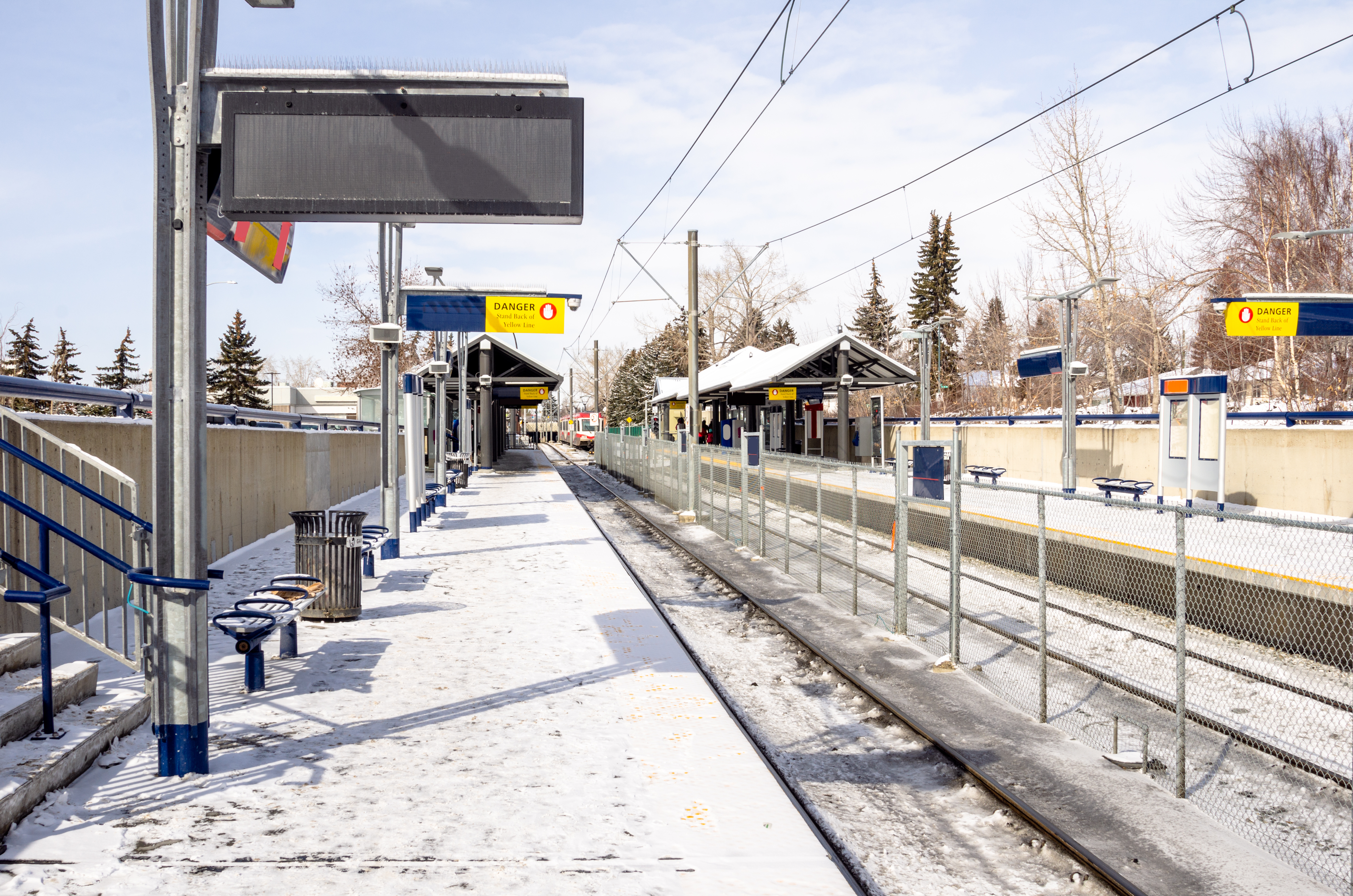
A line was added to the city’s light rail system (C-Train), and older stations—largely untouched since the 1980s —received much-needed upgrades. Prior to the overhaul, C-Train’s existing stations were using equipment that was outdated, ineffective, and no longer suited for modern emergency response standards.
Solution
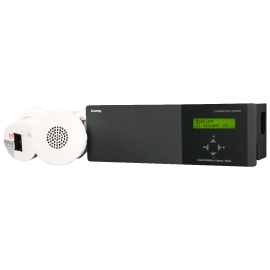
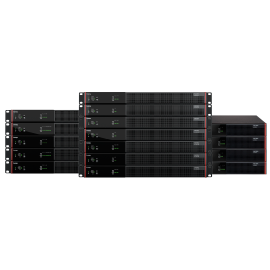
The City of Calgary required a flexible, robust solution with features like zoned paging and live and pre-recorded message capabilities to support its growing public transportation needs. Biamp’s Vocia Voice Communication System (VCS) was chosen for its flexibility, scalability, and ability to manage its software from a central office, rather than at each individual station. The installation included the Rundle, Marlborough, Franklin, Barlow/Max Bell, Calgary Zoo, and Bridgeland/ Memorial stations along the Northeast Line. While only six of C-Train’s 45 stations received the initial upgrade, Vocia’s ability to easily expand to additional lines or throughout the entire 58.6-kilometer (36.4 mile) rail system was a key selling proposition.
One challenge faced was that most stations had limited space in each equipment room for housing the necessary equipment from the original system. This led to static interference and difficulties accessing and serving the equipment. Choosing Vocia allowed the project to maximize available space while gaining more system functionality, all without compromising quality or flexibility. As a supplemental service, Biamp sent a representative to Calgary and provided classroom training and onsite instruction for system technicians, enabling C-Train technicians to troubleshoot the system and detect possible issues before becoming noticeable to passengers or interfering with train schedules.
Vocia provided the solution we needed in a challenging transit situation involving multiple outdoor stations that are exposed to extreme weather conditions for much of the year.
LEON TIPPETT Audio Visual Integration Manager
Unified Systems Group
Conclusion
Calgary Transit appreciated Vocia’s ease-of-use, as well as the increased efficiency and improved communication it provides. Once fiber lines are installed for the supervisor control and data acquisition (SCADA) emergency response system, operators will integrate into the overall transit system. With Vocia, transit managers can operate all elements from a centralized location, allowing announcements or programming changes to occur in real time. Prior to the upgrade, any alterations had to be made at the individual stations. Biamp delivered an audio solution that improved commuting for the hundreds of thousands of passengers who use C-Train each day and which supports future expansion as Calgary’s transit needs continue to evolve.