



























Perth Airport
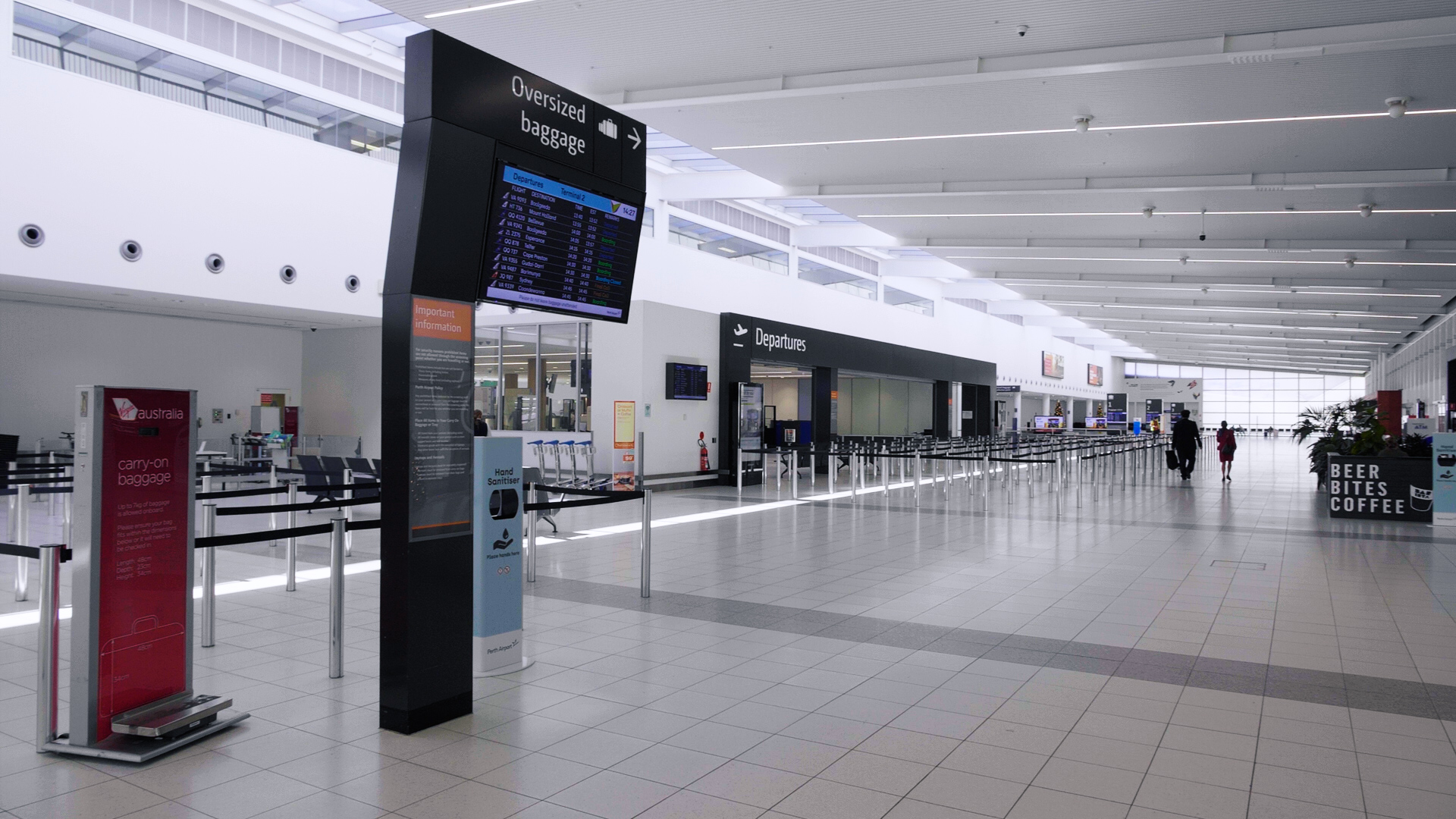
Perth Airport engaged Integrate Perth to deliver a state-of-the-art communication system capable of providing clear, intelligible announcements while complying with emergency warning and evacuation protocols.
The integration of the Vocia voice communication system with the airport’s Emergency Warning and Intercommunication System (EWIS) provided a seamless, high-quality solution that enhances both day-to-day operations and emergency preparedness.
Challenge
Traditionally, EWIS and public address systems have been separate entities, each serving distinct purposes. EWIS is designed to deliver high-volume emergency alerts, ensuring they are audible across large spaces, while paging and public address systems prioritize speech intelligibility and background music.
“A traditional EWIS system is designed to make loud noises, so people hear it. A paging system is designed to provide quality audio so people can understand the announcements,” said Andrew Anderson-King, Sales Director at Integrate Perth.
This division often results in needless redundancy, increased infrastructure costs, and poor-quality background music when played over emergency speakers. Perth Airport sought a system that would merge these functionalities without compromising performance or compliance with fire evacuation regulations.
The beauty of the Biamp Vocia product is that it’s a decentralized system, not reliant on a central server or processor.
ANDREW ANDERSON-KING
Sales Director
Integrate Perth
Solution
Vocia was selected for its ability to integrate emergency alerts, paging, and background music into a single, decentralized system. Initially deployed in Terminal 2, the system allows for airport-wide paging while maintaining separate, networked systems.
Anderson-King highlights the advantages: “Vocia was designed primarily as a public address system, with high speech intelligibility and good quality audio, while also complying with emergency evacuation requirements. The beauty of the Biamp Vocia product is that it’s a decentralized system, not reliant on a central server or processor.”
Key features of the Vocia implementation include:
- Seamless integration: Low-level outputs from the EWIS system feed directly into Vocia, enabling automatic activation of emergency tones and pre-recorded messages.
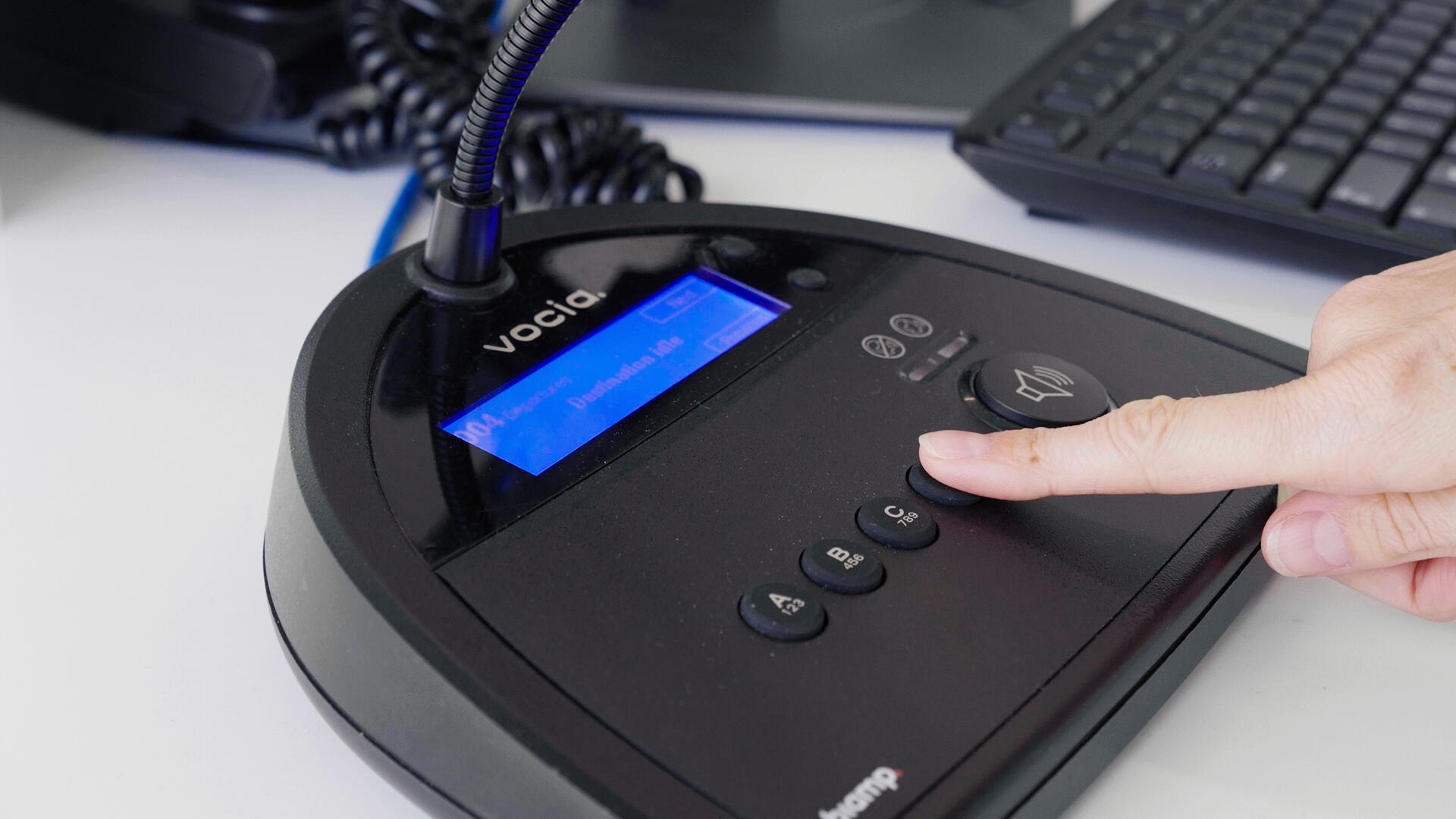
- Flexible paging and zoning: Desk paging stations and telephone interfaces allow staff to make announcements to specific zones or across all terminals.
- Scalability: The system is designed to expand, with future extensions planned for car parks and additional airport facilities.
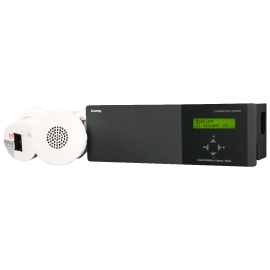
- Remote monitoring and control: The Vocia MS-1 message server provides remote access, pre-recorded messaging, and continuous system monitoring, ensuring operational reliability.
Conclusion
The success of the Vocia system at Perth Airport demonstrates the efficiency and clarity gained by combining EWIS and public address functions into a single platform. By eliminating the need for separate systems, the airport benefits from reduced infrastructure costs, enhanced speech intelligibility, and greater operational flexibility.
“The success we’ve had at Terminal 2 with a combined public address and evacuation warning system demonstrated to us how effective this approach can be. We see a trend in these types of systems being ideal for large buildings where highly intelligible audio is required,” said Anderson-King.