

















Celebrating Our 50-Year Journey
Roots of Resonance
The birth of a sound legacy.
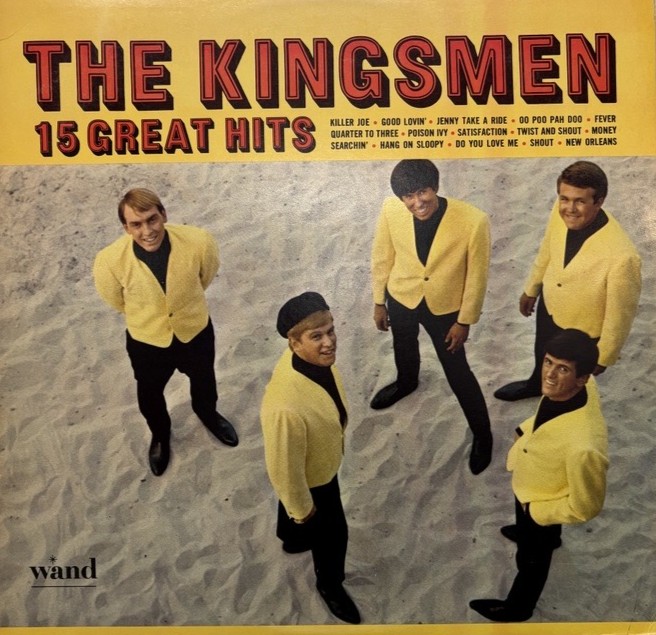
Before Biamp pioneered an industry, a sound changed everything. In 1959, The Kingsmen recorded "Louie, Louie," a raw, electrifying track that captured the energy of the era — and the limits of the amplifiers available at the time.
When bassist Norm Sundholm struggled to make his instrument heard over the roar of the crowd, his brother Conrad stepped in to help. The result was a hand-built amplifier powerful enough to fill the room — and the birth of a movement.
The brothers went on to form Sunn Amplifiers, a company whose gear powered stages for some of the biggest bands of the late '60s and early '70s. With the launches of the Sunn Solaris, an all-tube guitar combo amplifier in 1968, and the Sunn Concert Controller, a solid-state PA mixer/amplifier in 1972, the company became synonymous with rock, innovation, and the pursuit of better sound — a foundation that would eventually inspire something new.
When Hartzell Corporation acquired Sunn, Norm Sundholm entered a non-compete agreement that paused his amplifier ambitions — but only temporarily. Out of that pause came the spark that would later ignite the origin of Biamp.
Analog Foundation
The building blocks of professional audio.
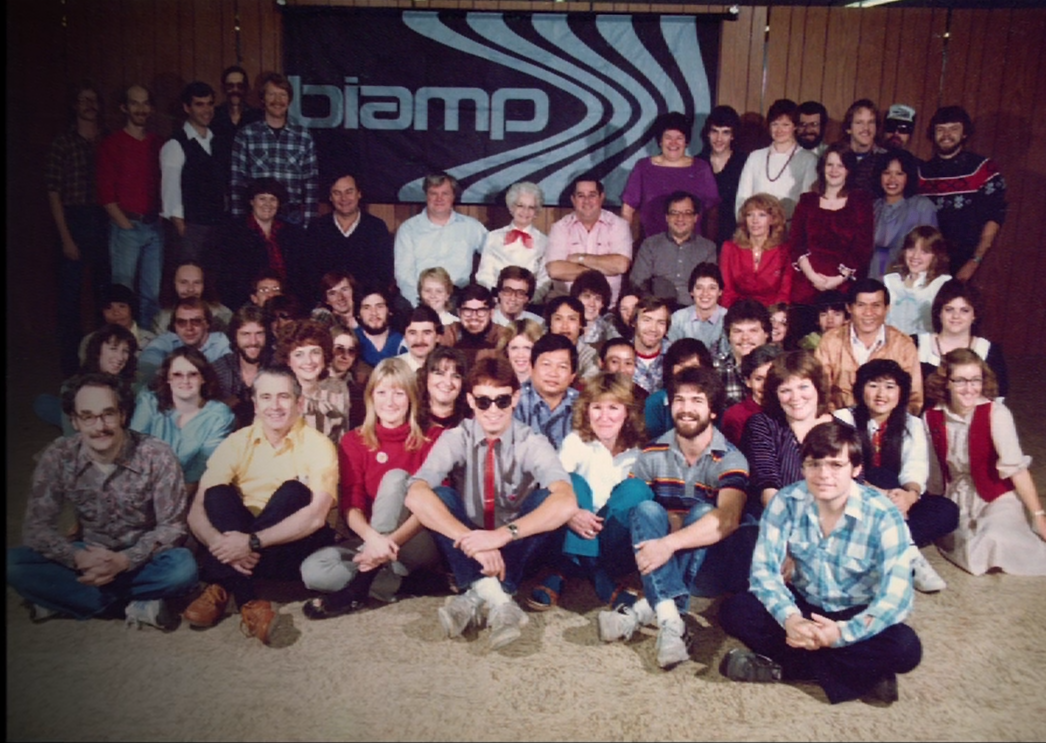
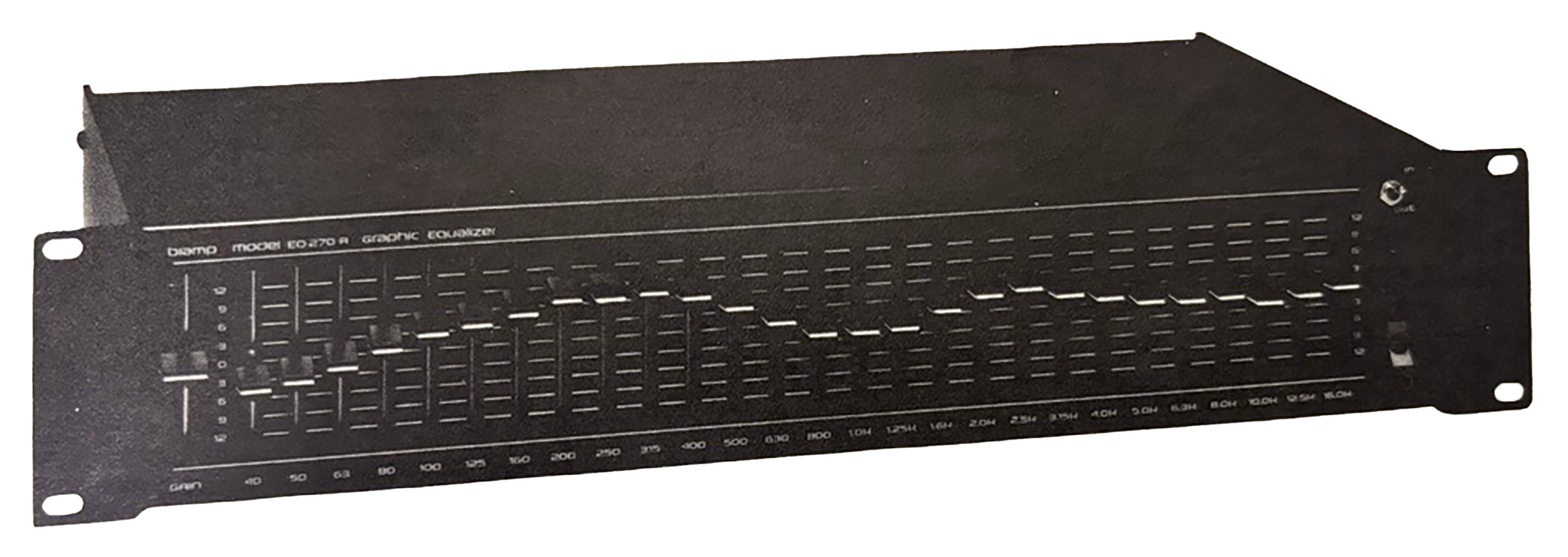
After his non-compete ended, Norm Sundholm was ready to return to what he knew best: sound. In 1976, alongside engineer Richard McLoed, he founded Biamp Systems — a company dedicated to crafting high-performance audio gear for live performances.
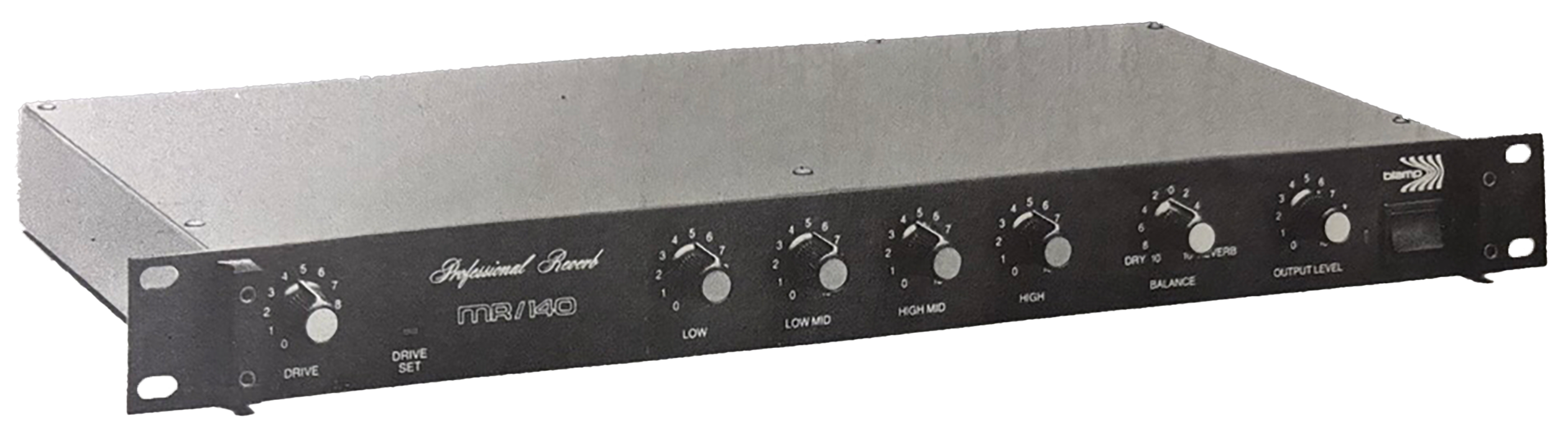
From the beginning, Biamp equipment earned a reputation for clarity, reliability, and power. With a product mix that included the Keyboard Equalizer (1976), the Model 6702 Stereo Mixing Console (1977), the EQ210A Equalizer (1979), the EQ140 4-band equalizer (1983), the 883 Mixer (1983), the MixPack powered mixer (1986), and the XA Series MOSFET Amplifiers (1986), the company's commitment to precision and performance reflected the spirit of the musicians it served.
As Biamp grew, so did its leadership. Ralph Lockhart joined to lead Sales and Marketing, helping to shape the company's professional identity. Ownership changed hands when Norm sold Biamp to Leupold & Stevens, but the company's independent spirit remained strong.
When Hartzell sold Sunn to Fender, Biamp welcomed Jerry Payette — Sunn's former chief accountant — as Accounting Manager. Soon after, Lockhart, Payette, and their leadership team bought Biamp back from Leupold & Stevens, returning it to the hands of those who believed most deeply in its future.
Biamp had found its footing — and its foundation was solid.
Digital Dawn
When sound found its future.
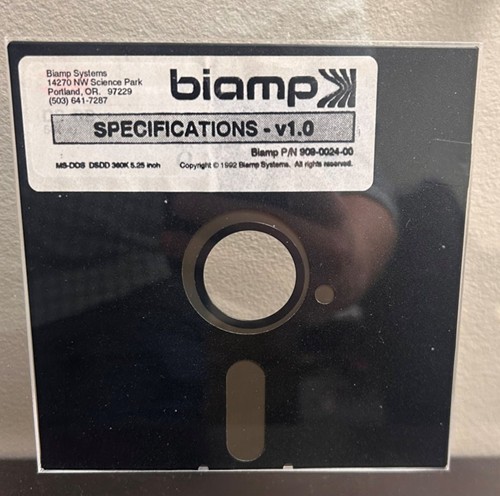
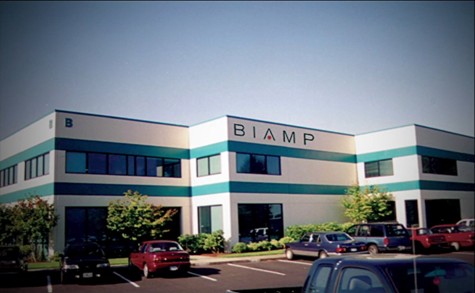
As Biamp entered the late 1980s, the company evolved from its live-sound origins toward something more enduring — audio built into the fabric of everyday spaces. After acquisitions by IMC Group and later the Lomar Corporation, Biamp leadership remained intact, preserving the company's culture of craftsmanship and innovation.
During this time Biamp introduced the XA-300, a workhorse power amplifier for DJ setups and studio monitoring. In 1986, the Rackmax was introduced to deliver flexible mixing in a compact format for a range of installed sound applications. Also during the late 1980s, the launch of the Advantage Series high-performance mic/line mixers marked a major turning point — a focus on installed audio solutions that would define the Biamp identity for decades to come. Soon, Legend Mixing Consoles carried the company's reputation for precision and reliability into houses of worship, performance venues, and corporate spaces around the world.
The early 1990s introduced the DJ5600 for professional DJ applications. This 6-channel, rack-mount device became one of the most respected club mixers of its time. Also, the Olympia Series 20+/464 mixer reflected continued innovation in professional audio mixing.
Always ahead of the curve, in the late 1990s Biamp was among the first in the industry to introduce DSP technology, launching the Advantage Voicecrafter, a device designed to mitigate acoustic echo in teleconferencing and audio conferencing environments, giving integrators unprecedented control and flexibility. It was also during this time when Biamp unveiled the VSX41, the company's first video product, and the MSP 11, a single-rack DSP unit that replaced entire racks of outboard gear with one programmable box. The debut of BiampWIN Software was another important milestone, empowering users to configure and fine-tune their systems digitally — a clear glimpse of the future.
During this era, Biamp hired Engineering Manager Matt Czyzewski, who later became Biamp CEO, and Ron Camden, who helped oversee significant growth as the eventual long-term Vice President of Global Sales.
The launch of its first website and introduction of the industry's first five-year warranty further underscored a promise that still defines the brand today: extraordinary performance, built to last.
The digital age had arrived — and Biamp was ready to lead it.
Sound Intelligence
Unleashed ambition.
With the dawn of a new millennium came new leadership and even greater achievements. When Ralph Lockhart retired, Steve Metzger stepped into the role of President, guiding Biamp through one of the most transformative periods in its history.
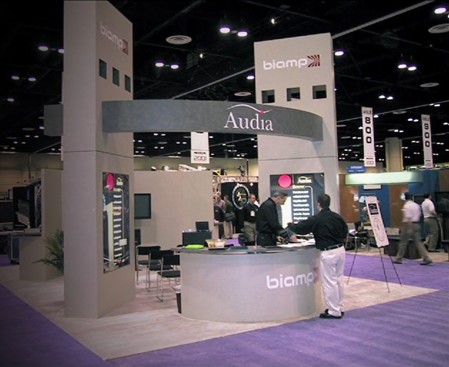
During this decade, Biamp became synonymous with open-architecture digital signal processing (DSP), empowering integrators to design, customize, and scale audio systems with unprecedented freedom. The introduction of the Audia family — including AudiaFlex, AudiaFusion, and AudiaSolo — set new industry standards for flexibility and performance.
Building on that success, Biamp launched Nexia and Vocia, expanding its reach into paging, voice evacuation, and networked communications. Peripheral products, such as the Volume8 and Select8 wall-mount controllers, and the NPS-1, a networked paging station, added even more functionality to the Audia and Nexia platforms. Each new platform reflected the same philosophy: scalable solutions built to solve real-world challenges through smart engineering.
Embracing emerging technologies like CobraNet, VoIP, and acoustic echo cancellation (AEC), Biamp pushed audio networking and intelligibility to new heights. The acquisition of Creative Audio and the opening of operations in Brisbane, Australia, marked the evolution of Biamp into a truly global brand.
By the end of the decade, Biamp had not only defined the DSP category — it had redefined what professional audio could be.

DSP Domination
The convergence of sound, vision, and control.
The 2010s marked a bold evolution in the Biamp identity. Under the leadership of Steve Metzger, who became President and CEO, Biamp advanced from a DSP innovator to a complete AV platform provider. With Alex Buchanan Munro as CFO, and longtime employee Jason Damori assuming the Director of Engineering role in 2009, the company strengthened its foundation for sustained global growth.
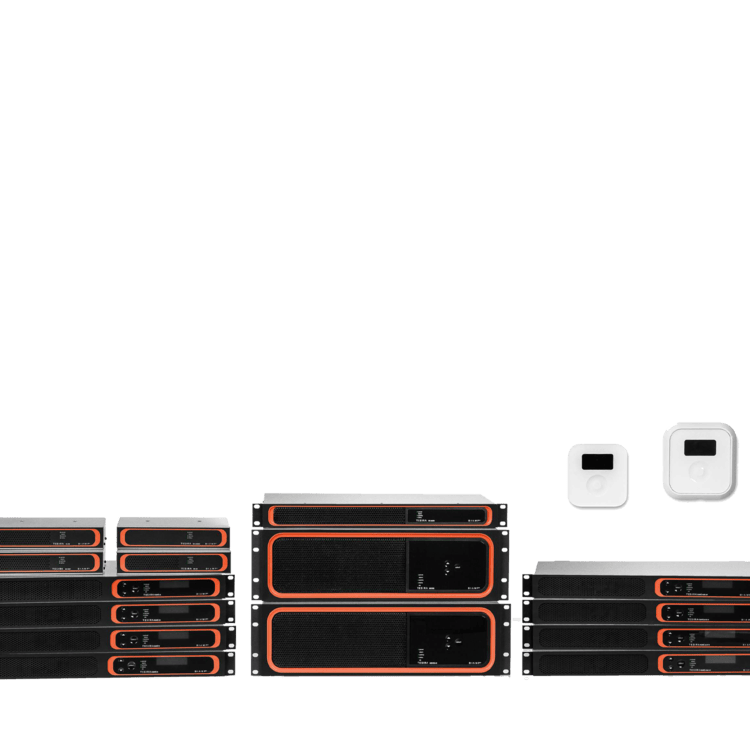
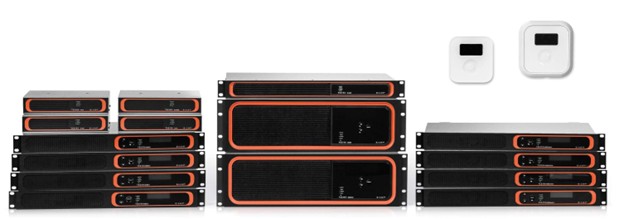
This era saw the launch of Tesira — the groundbreaking networked DSP platform that brought together audio and video processing within a single, scalable ecosystem. Key components of the Tesira family included TesiraLUX, the first Biamp video distribution solution, as well as the EX LOGIC, and Server-IO. The introduction of TesiraFORTÉ soon followed, extending the company's capabilities into unified communication and collaboration spaces across enterprises worldwide. Also during this time, the introduction of the TEC-1 put simple, Ethernet-connected room control capabilities in the hands of customers.
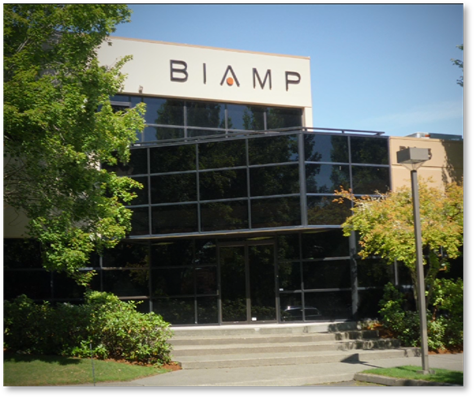
Behind the scenes, Biamp expanded its footprint with the opening of the Cascade Manufacturing Facility in Tigard, Oregon, and the Rochester, New York office, welcoming Lab X engineers whose expertise accelerated hardware–software integration.
It was a time of platform convergence and seamless connectivity — a moment when Biamp began shaping the future of integrated AV experiences, setting the stage for the intelligent, unified systems that define today's environments.
Extraordinary Expansion
Reimagining what's possible.
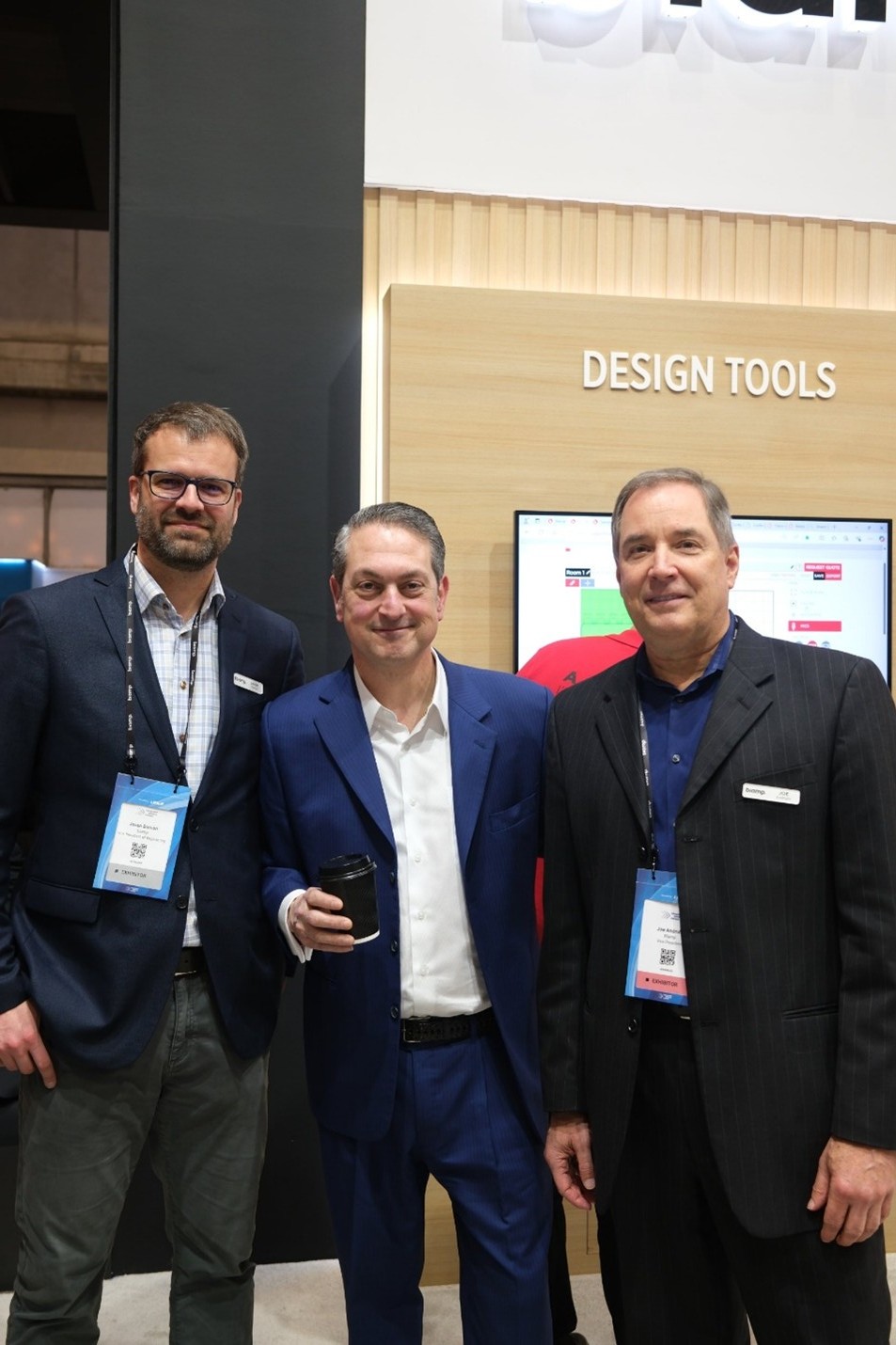
A new chapter began in 2017 when Highlander Partners acquired Biamp and appointed Rashid Skaf as President, CEO, and Co-Chairman. Rashid was joined by his longtime colleague, Joe Andrulis, as Executive Vice President. With a revitalized executive team and bold strategic vision, Biamp entered a period of unprecedented growth and transformation — expanding its reach, its capabilities, and its imagination.
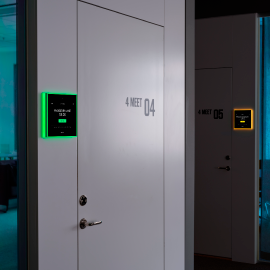
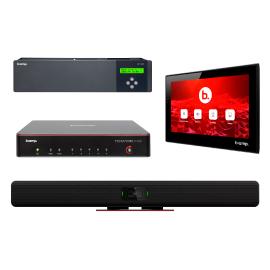
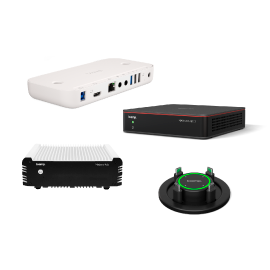
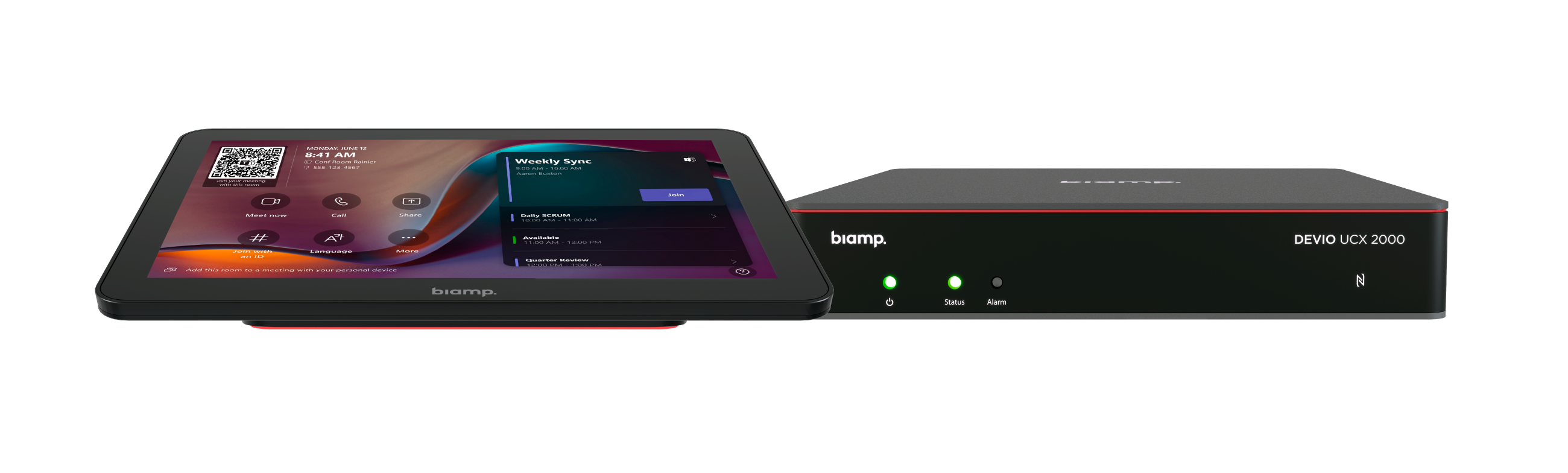
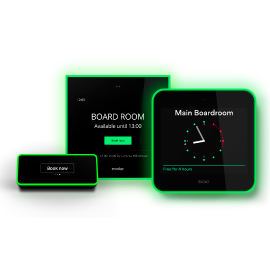
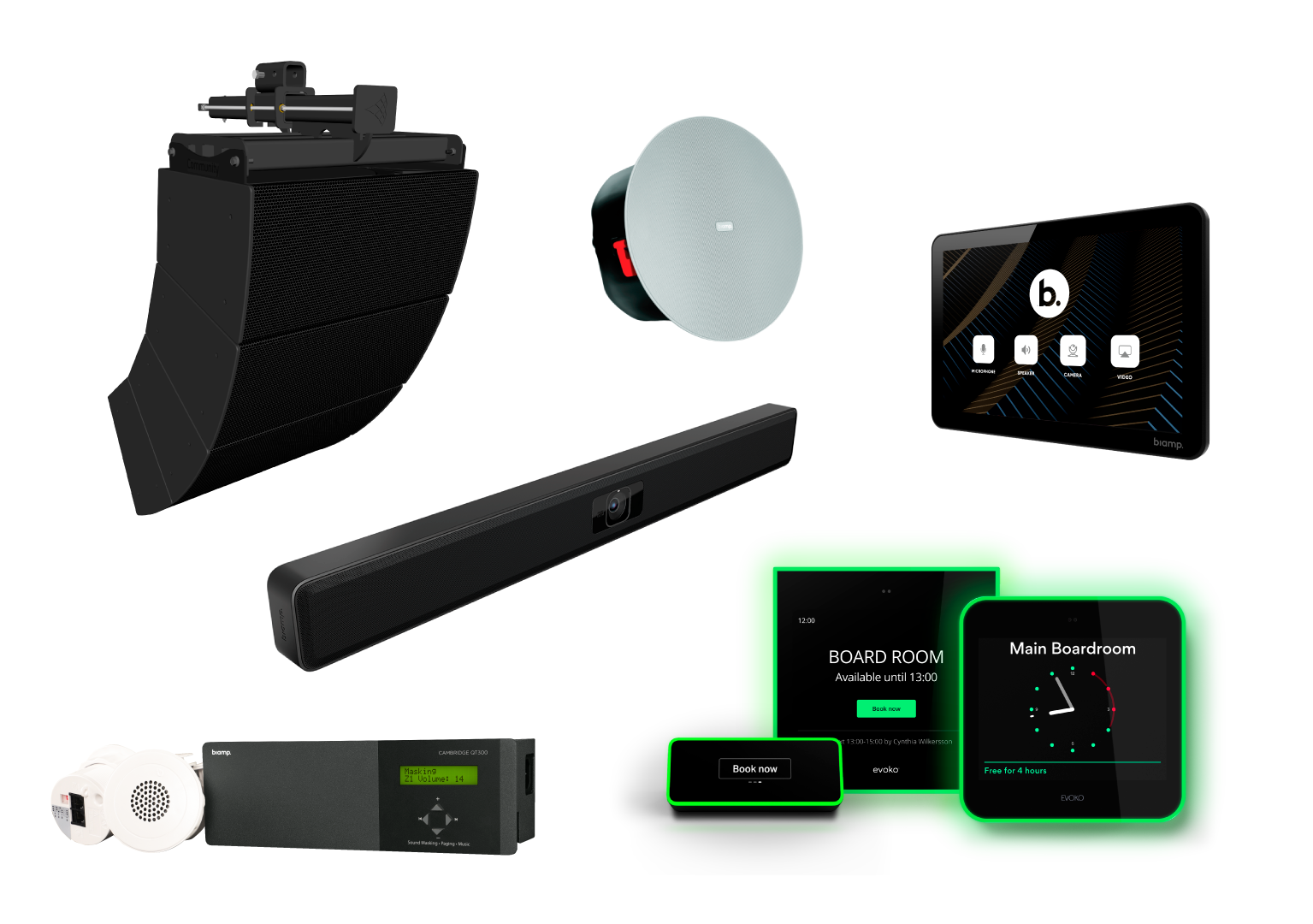
Central to this new direction was a clear strategy: to offer complete, end-to-end solutions for every target venue. Achieving that vision meant expanding into new product categories through both organic innovation and strategic acquisition. Biamp developed breakthrough technologies such as Parlé Beamtracking microphones, Vidi conferencing cameras, Parlé conferencing bars, and Biamp Launch, and the Launch-enabled TesiraFORTÉ X while simultaneously broadening its portfolio through key acquisitions: Cambridge Sound Management (2018) for industry-leading sound masking systems, Community Professional Loudspeakers (2019) and Apart Audio (2019) for high-performance installed sound technologies, Huddle Room Technology (2020) for innovative BYOM solutions, Neets (2021) for groundbreaking control devices, Evoko (2023) for cutting-edge scheduling solutions, and the intellectual property, brand assets, signal processing designs, and patents of ClearOne, Inc.(2025). Together, these moves transformed Biamp from a specialized audio company into a comprehensive provider of audiovisual ecosystems.
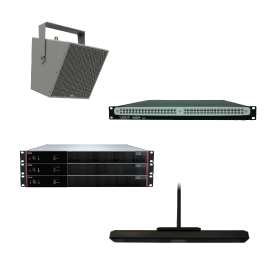
Key product introductions—some of which emerged from the expertise gained through company acquisitions—included the Desono EX-6 surface-mount loudspeaker, the Community LVH-900 venue horn, the Cambridge Qt X sound masking platform, the Impera Uniform room control interface, and the Voltera line of amplifiers and amplified loudspeaker controllers.
This era also marked the Biamp evolution from a U.S.-based manufacturer with international reach to a truly global organization. New offices and teams were established across Europe, the Middle East, India, and Asia-Pacific, ensuring local expertise, support, and service wherever customers are. With expanded distribution networks and regional warehousing, Biamp built a world-class logistics infrastructure designed to meet global demand efficiently and reliably.
On the operational front, Biamp made major infrastructure investments that strengthened its foundation for the future. The company dramatically increased its U.S. manufacturing capacity, enhanced automation, and expanded direct-market operations. State-of-the-art facilities, modernized offices, and an ongoing focus on employee well-being underscored the company's commitment to being a great place to work — one where innovation thrives.
Even amid global disruption, resilience was paramount. The company successfully navigated both the pandemic and the worldwide supply chain crisis without reducing its workforce or significantly impacting revenue — a testament to its culture of adaptability, teamwork, and long-term vision.
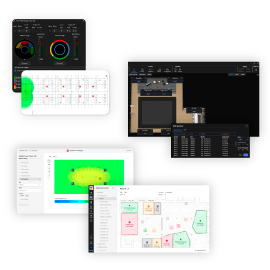
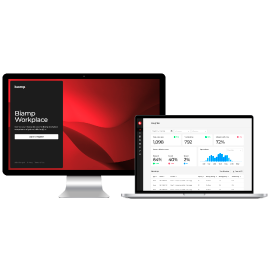
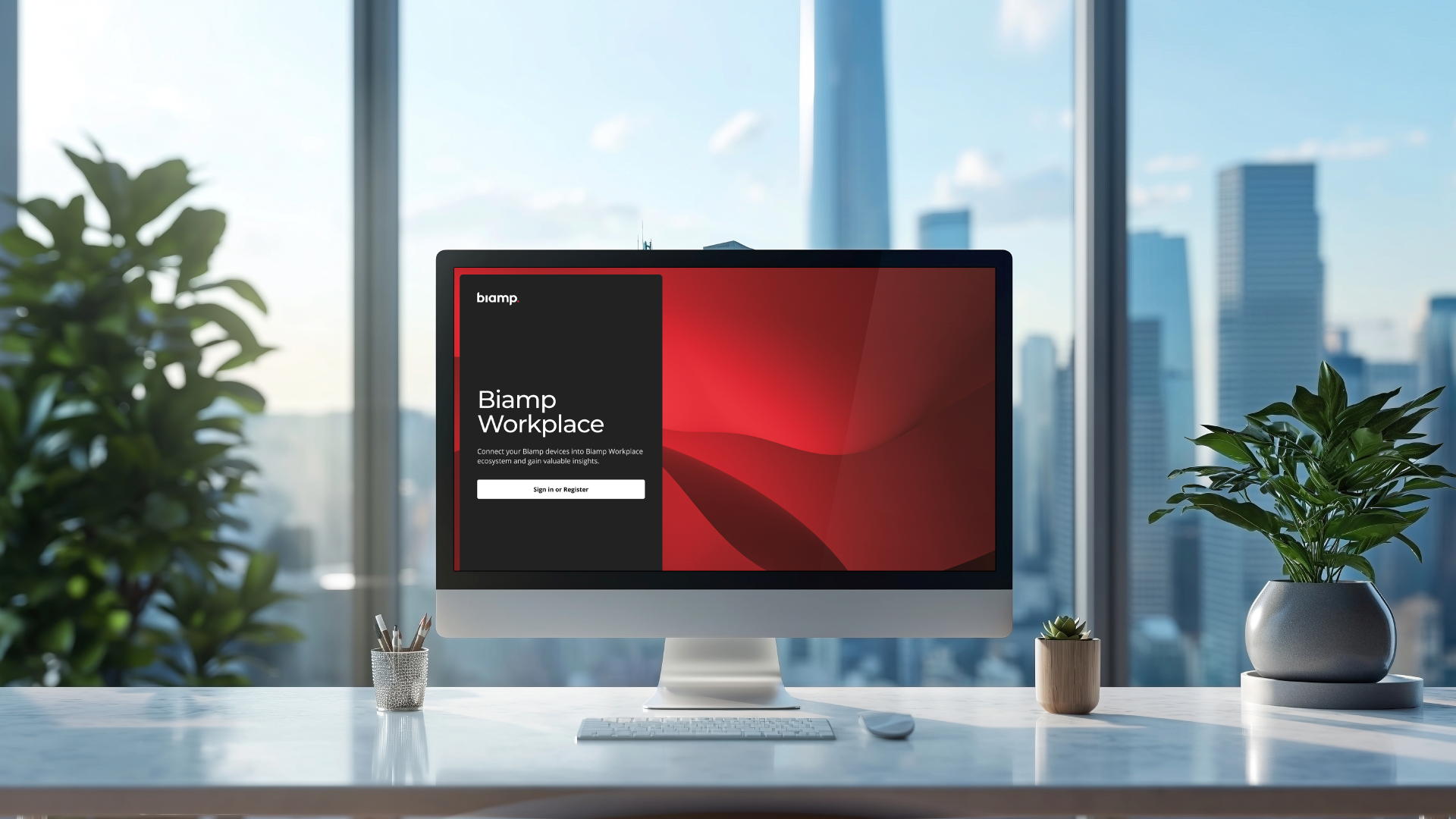
The introduction of Biamp Workplace symbolized the culmination of this transformative period — a unified, cloud-based platform that connects design, management, and monitoring across the AV lifecycle. Intelligent, scalable, and deeply integrated, it embodies the Biamp mission to connect people through extraordinary audiovisual experiences.
The journey continues, and the next dimension of Biamp is already unfolding.
Limitless Innovation
Pioneering the future of extraordinary audiovisual experiences.
The Biamp story has always been one of evolution — from handcrafted amplifiers to intelligent AV ecosystems that connect people across the globe. Yet even after five decades, one thing remains unchanged: our drive to innovate without limits.
As technology, workplaces, and human interaction continue to evolve, Biamp is shaping what comes next — building audiovisual systems that think smarter, connect deeper, and perform better than ever before. Artificial intelligence, immersive experiences, and unified digital platforms are no longer distant possibilities — they're the foundation of our next chapter.
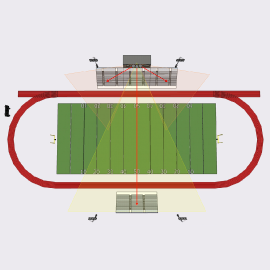
With every advancement, our mission stays the same: connecting people through extraordinary audiovisual experiences. It's a future defined not just by the products we create, but by the connections we enable — in classrooms, boardrooms, stadiums, and beyond.
The next 50 years begin now. And for us, the possibilities are limitless.
Step inside our company museum and discover the story behind our success. This narrated video tour highlights the products that shaped our journey, the milestones that defined our growth, and the dedicated people whose vision, innovation, and commitment made it all possible. Join us as we celebrate our heritage and the legacy that continues to inspire our future.